Buzkashi — Afghanistan's Game of Courage
Buzkashi is one of the oldest and most celebrated traditional sports in Afghanistan. More than a competition, it is a living symbol of courage, skill, and solidarity — woven into the cultural fabric of a people across centuries.
A Sport Born in the Saddle
The origins of Buzkashi are traced back to the era of the Mongol Empire, when warriors used the game to sharpen their combat skills and horsemanship. Over time it spread across Central Asia — taking root in Afghanistan, Tajikistan, Uzbekistan, and Kyrgyzstan — and became inseparable from the traditions of the region. Today it holds a place on UNESCO's Intangible Cultural Heritage list.
The name itself tells you what you need to know: buz means goat, kashi means pulling. Historically played with the carcass of a real goat, some regions today use an artificial substitute — a nod to changing times while the spirit of the game remains.
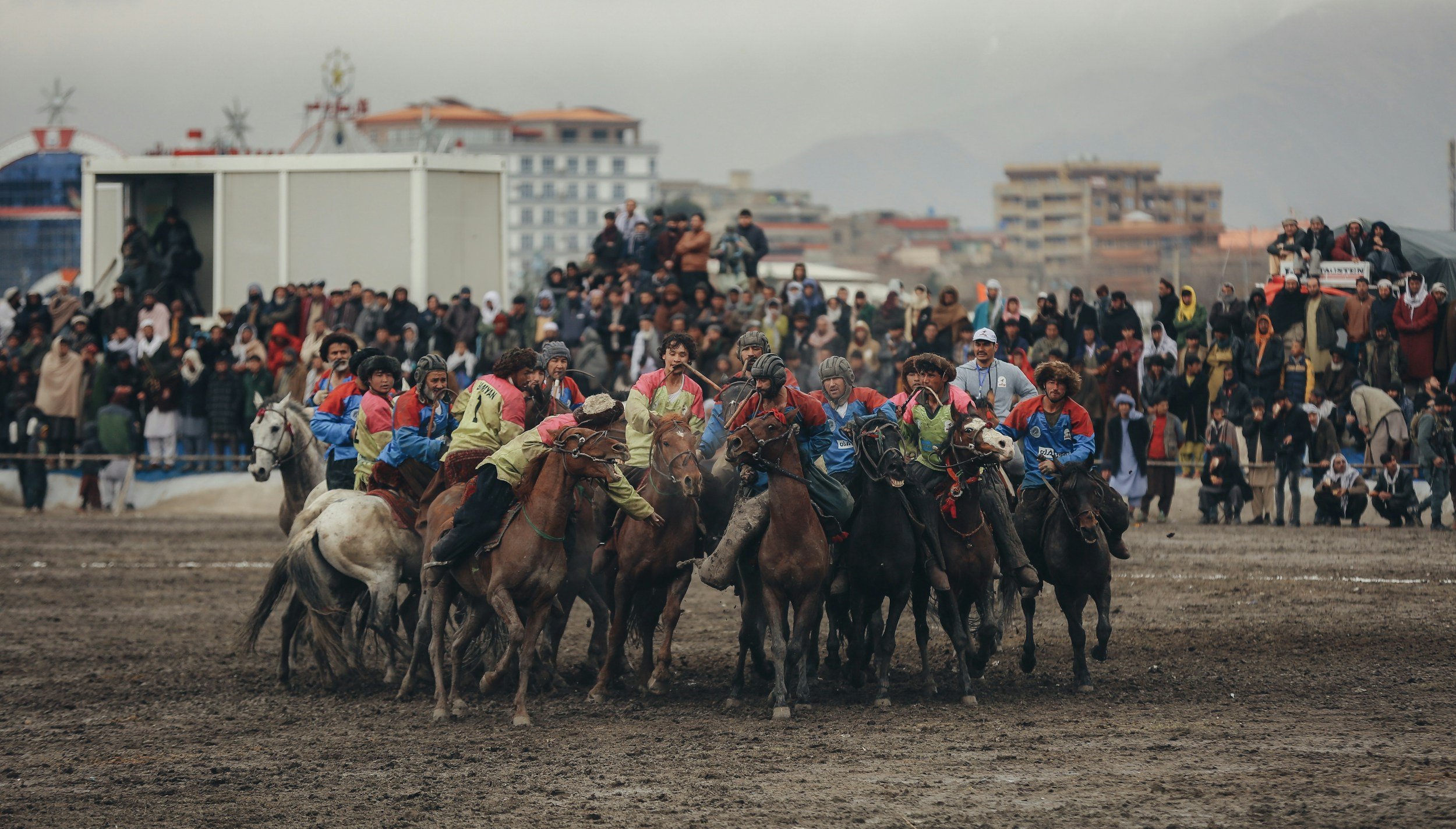
Photo by emran sayeed on Unsplash
More Than a Game
Buzkashi is not held on ordinary days. It appears at festivals, national celebrations, and special ceremonies — moments when communities gather and identities are reaffirmed. It brings together men and women, young and old, and carries with it a sense of national pride that is difficult to translate but impossible to miss.
The chapandaz — the skilled rider at the heart of the game — is not simply an athlete. He is a figure of admiration, someone who has cultivated courage, strength, and the ability to hold himself steady under pressure.
Facing Modern Challenges
Like many traditional practices, Buzkashi faces real pressures. Decades of war, economic hardship, and social displacement have made it harder to organize in some regions. Animal welfare concerns have prompted ongoing debates about the use of a real carcass, pushing some communities toward artificial alternatives.
Yet the sport endures. Competitions are now held beyond Afghanistan's borders, and international efforts are underway to preserve and promote it as a shared Central Asian heritage. Buzkashi is not disappearing — it is adapting, as it always has.